Lang Tang Valley Trekking Guide:
Itinerary, Cost & Tips (2026)
From October 30th till November 6th 2025, I completed the Lang Tang Valley Trek with Nepal High Trek. This trek is one of the lesser known hikes in Nepal, but I could not recommend it enough. As a solo female traveller who completed the hike by herself, I have put together this blog in hopes of offering advice for those interested in the same trek.
Is the Langtang Trek Nepal worth it?
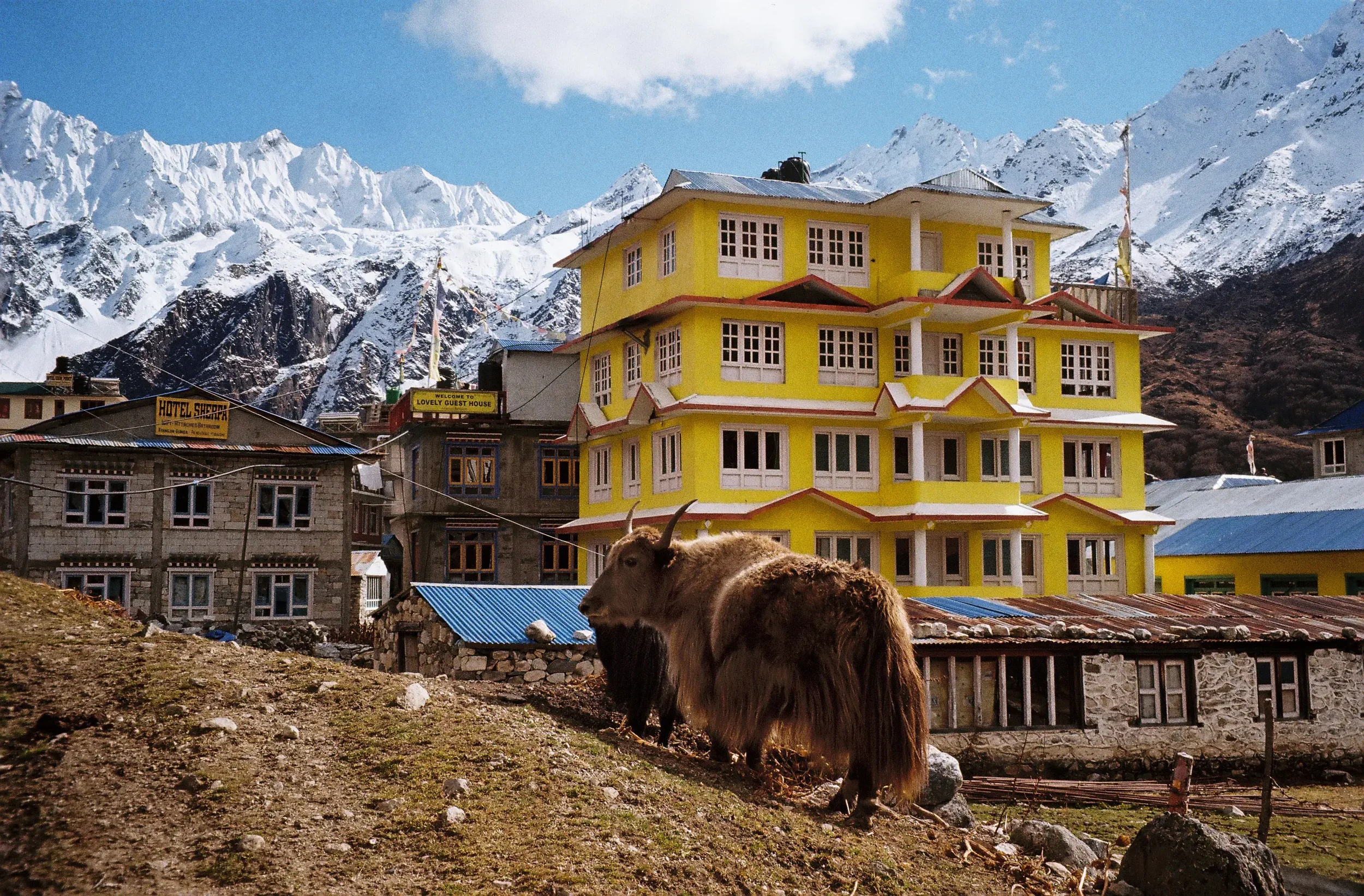
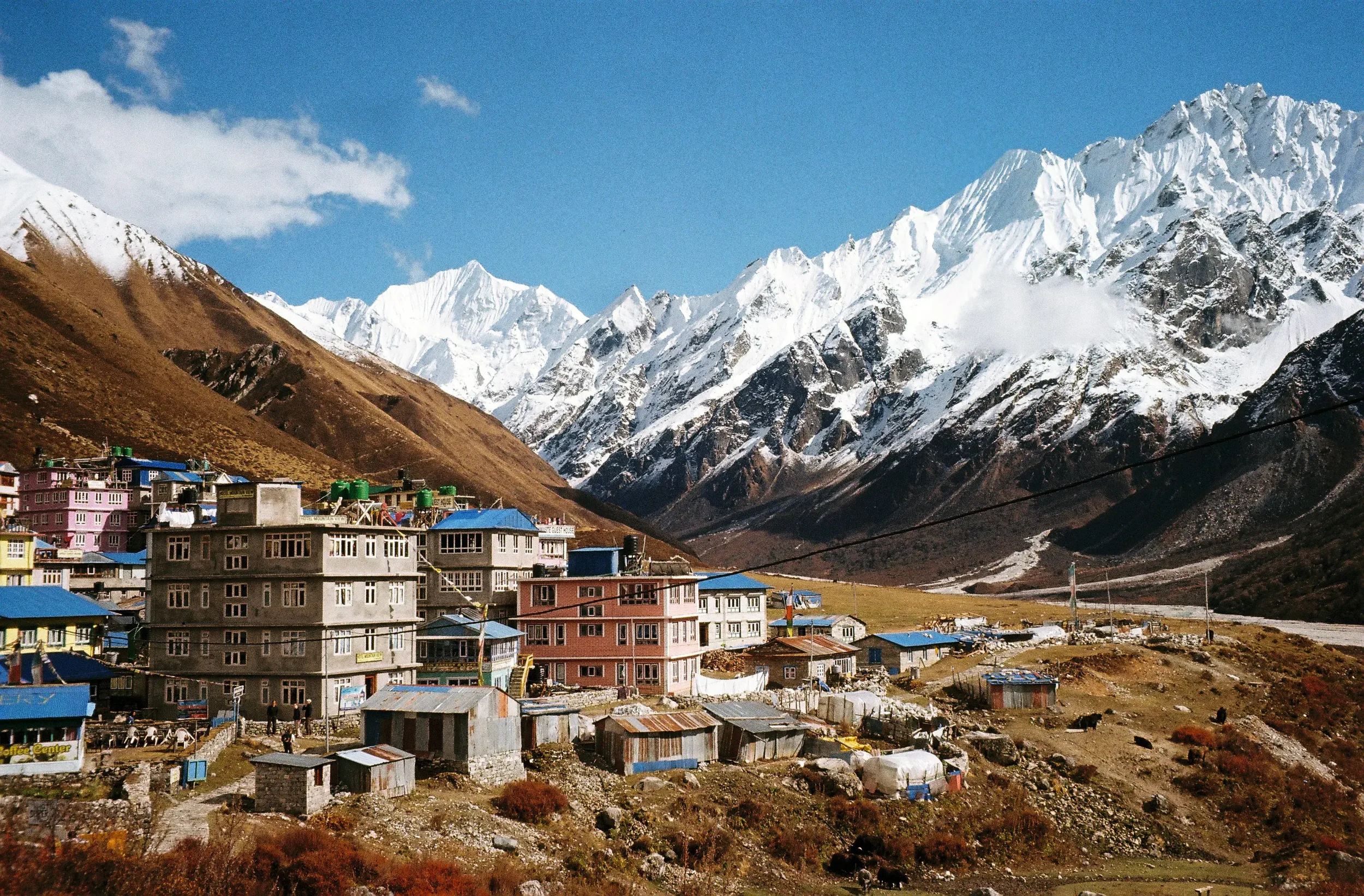
The Lang Tang Valley is situated approximately 62km north of Kathmandu. The region is known for its biodiversity, hosting endangered red pandas, snow leopards, horses, yaks, monkeys, and over 250 species of birds. The region was severely affected by an earthquake and avalanche in April 2015, destroying the village of Langtang. The area has since rebuilt and reopened for trekking. This trek in comparison to others in Nepal, offers a better opportunity to learn about the culture of the indigenous Tamang people. As it is a quieter trek, there is also a larger chance you will spot some amazing wildlife.
The Best Season/Time to Trek Langtang Valley
The best time to complete the Lang Tang Valley Trek is in the dry season, between the months of September to November, and March to May. I would recommend the month of October - November, as the weather is warm and the air is at its freshest post monsoon season.
Langtang Trek Nepal: 10 Day Cost
I booked my trek with the company Nepal High Trek & Expedition Pvt. Ltd, and I could not recommend them enough! The cost for the 8 days was roughly $650 USD, and this included airport pick up/drop off, accomodation, food/drinks, park permits, transport to the trek, and pretty much everything you needed for the 10 days. There are optional extra costs, such as a private car to the beginning of the trek, and porter costs, but I would strongly recommend the free/shared car option and carrying your own backpack, as it’s all part of the experience! The $650 does not include the tip for your guide at the end of the trek.
Langtang Valley Trek Packing List, for 10 days:
2 t-shirts
1 pair of shorts
1 puffer jacket / down jacket
1 thin waterproof jacket
1 fleece jumper
1 trekking poles
1 thin thermal pants and long sleeve
1 pair of waterproof hiking pants
x10 pairs of socks and undies
1 beanie
1 gloves
1 ski neck warmer
1 pair of pyjamas (winter pyjamas - as warming as possible)
1 pair of hiking boots
1 water bottle
1 pair of sunglasses
1 camera
1 head torch
1 phone charger
1 book
Passport
1 headphones
Toiletry Bag: tooth brush/paste, moisturiser, sunscreen, insect repellant, water purification tablets, altitude sickness tablets (diamox), Maurten energy gels, panadol.
1 thin bath towel
Muesli Bars
High Trek & Expedition also provides an extra sleeping bag, a down jacket, and a company t-shirt. The total weight of my hiking backpack was 8kg for the entire trek, I would recommend no more than 8kg as your back does begin to hurt after a few days on the trek, so the lighter the better.
How difficult is the Langtang Trek?
The trek is considered one of the easier options in comparison to other treks in Nepal, although it still requires a certain level for fitness. You are hiking for 7-8 hours a day, covering 12-16km, therefore a basic fitness level is required. If you can run 5km, you can do this trek, that’s how I like to think of it at least!
Water Purification: throughout the hike there will be the opportunity to fill your water bottle with water from a tap, although it is very important you carry water purification tablets with you as the water can often be unclean. These tablets can be purchased in Kathmandu. There is also opportunity to purchase purified plastic water bottles from the tea huts, although these can be quite expensive, the further inland you trek.
The Best Trek in Nepal for Beginners… What to Expect?
And so the adventure begins! You’ve just arrived at Tribhuvan International Airport, and you are picked up at the airport by a member of the Nepal High Trek & Expedition. With a lay around your neck, you are transported via car to your Kathmandu Hotel for the night.
Day 1: A private car will take you to the shared local jeep pick up point. The journey from Kathmandu to the beginning of the trek in Syafrubesi takes around 6-7 hours and it is… intense. Be prepared for rocky, narrow roads and cliffs that seem very close by.
You will stop at a checkpoint and be required to show your passport in return for a paper entry permit into the Lang Tang Valley region (a cool souvenir). Arriving in Syafrubesi in the afternoon, you’ll have time to wander and eat dinner, but you should be in bed very early as your trek begins at 7am the following morning.
Day 2: on this day we trekked from Syafrubesi to Sherpagaon. We covered a total of 11.5km in 5.5 hours, with an elevation gain of around 1000m.
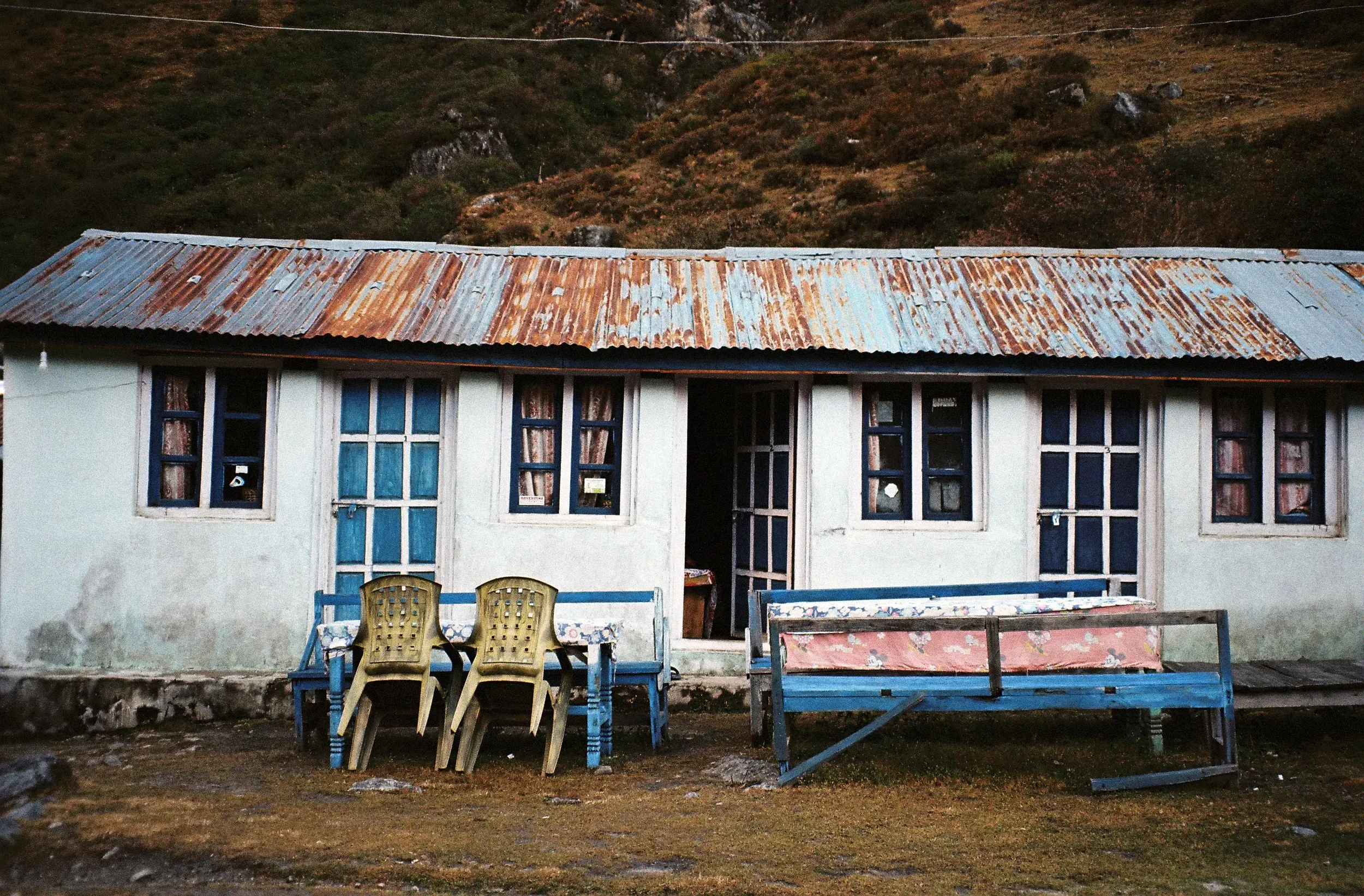
This day included mostly rainforest views and rivers. Everyday the trek begins early at around 6-7am, there will be a lunch stop around midday, and you will reach your home for the night at around 3-4pm. The evenings are spent reading, relaxing, eating dinner, and mingling with the locals and other trekkers. At each tea hut, there is usually wifi, but be warned that the higher up you get, the weaker the wifi becomes.
Day 3: the second day of trekking is longer. On this day I trekked from Sherpagaon to Thangshyap, a total of 13km over 6.5 hours, with another elevation gain of 1000m. On this night, we slept at an altitude of 3000m. Meals throughout the trek are amazing, breakfasts include pancakes, boiled eggs, porridge, and lunches/dinners include Nepalese staples such as Dahl Bhat, Sherpa Stew, and Momos. I stuck to a mostly vegetarian, carb heavy diet to avoid the risk of an upset stomach. I would highly recommend the Dal Bhat which consists of rice and lentil soup, this meal is referred to a "Dal Bhat Power, 24 Hour" by a number of locals and fellow trekkers.
Day 4: on this day, I trekked from Thangshyap to Kyangjin Gompa. Along the way, I saw yaks, monkeys, donkeys, horses… and even a Red Panda in the wild!!!!! This is one of the main reasons I would recommend the Lang Tang Valley Trek, as you are more likely to spot unique wildlife. Kyangjin Gompa is also beautiful, situated 3800m above sea level the town is filled with colourful buildings, interesting bakeries, and even a Yak Cheese Factory, where you can try their signature Yak Cheese (delicious). The night here was cold, at 3800m altitude the temperature can drop to -15 degrees over night, so I would recommend the extra sleeping bag, thermals, beanies, and gloves this night. The tea huts don’t have any heating system, although the buildings do maintain some warmth with fire.
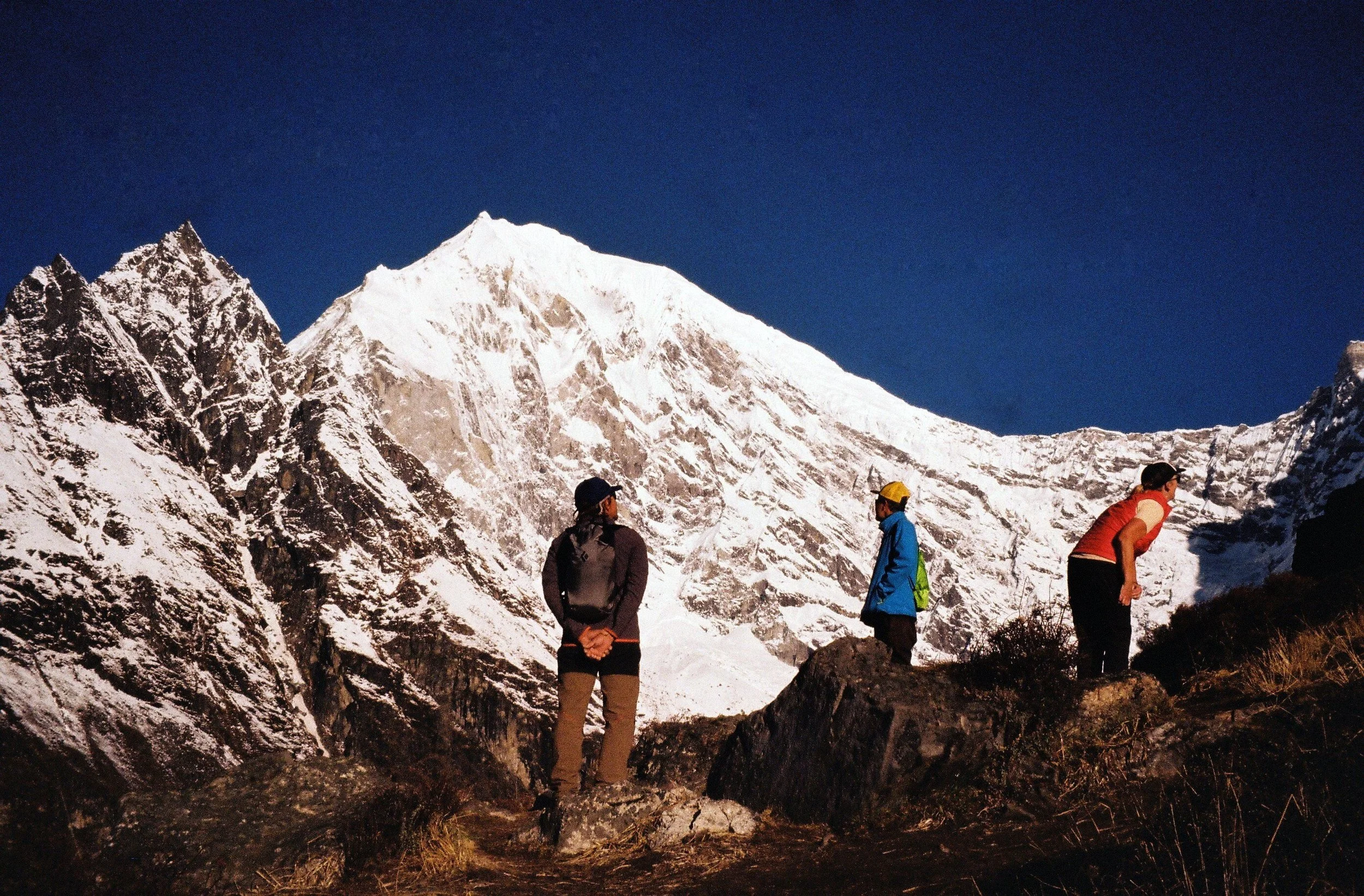
Day 5: from Kyangjin Gompa, I hiked to the Kyangjin Ri Peak at 4700m altitude. On this morning, I would recommend taking Diamox, to combat any altitude sickness. The only symptom I experienced was an intense thirst and a dry mouth, so it is also very important on this day, that you bring lots and lots of water. The return trip took around 3 hours and it was so worth it. At the top it offers stunning views of the Langtang Himalayas, including Langtang Lirung (7,227m), Yala Peak, and surrounding glaciers. It was breathtaking! I also found on this day, that I lost my appetite and felt slightly more fatigued, this is where the energy gels came in good use. I used the Maurten Gel 100s which I felt were easily digestible and gave me so much energy to keep walking. After returning to Kyangjin Gompa for lunch, we slowly started out descent, spending the night in Lang Tang.
Day 6/7/8: The descent takes 3 days and 2 nights, including the precarious car journey back to Kathmandu. The journey down will feel longer, and harder on your legs. After saying a sad goodbye to your guide, I recommend a hot shower, a trip to a local laundromat, and finishing off the day at the massage parlour (you’ll need it).